
Top Recommended AI Teaching Tools for Educators
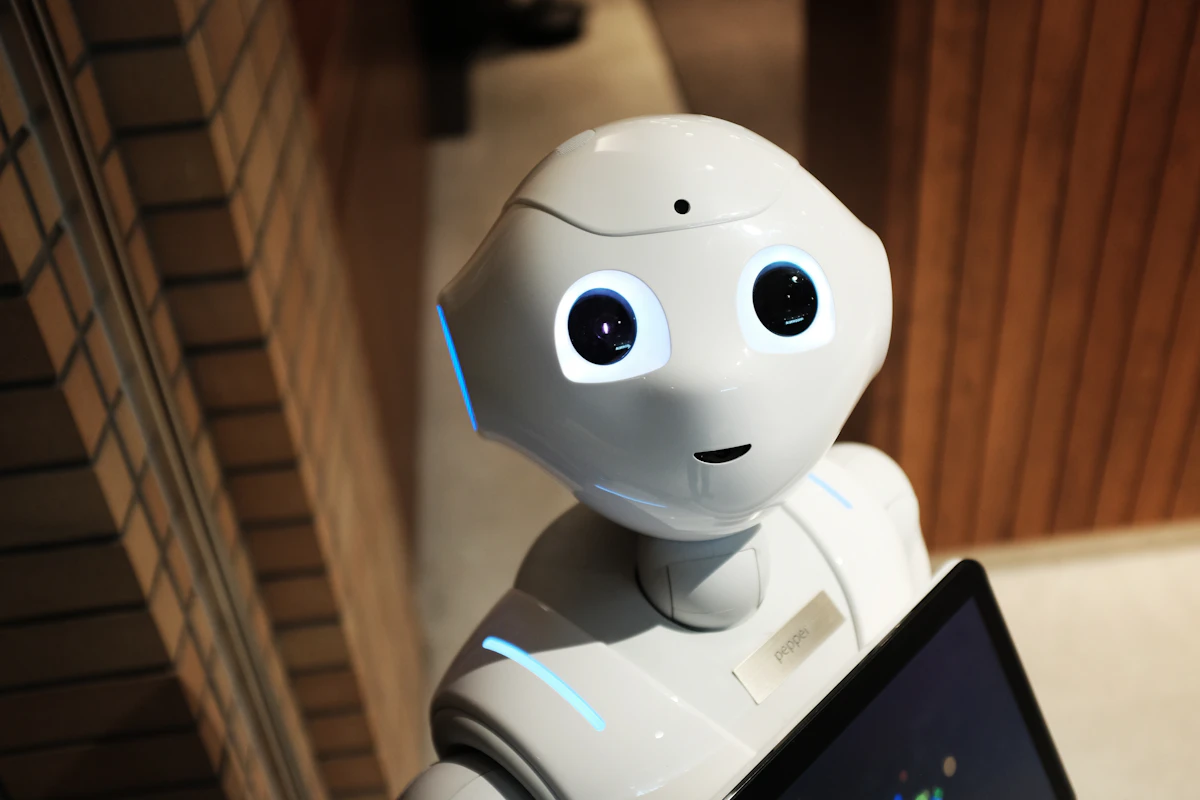
Artificial intelligence is fundamentally transforming the landscape of education. From personalized learning experiences to automated administrative tasks, AI tools offer educators unprecedented opportunities to enhance teaching quality and efficiency. This comprehensive guide explores the most recommended AI teaching tools for 2025, helping teachers excel in the digital age.
🤔 Why Do Teachers Need AI Tools?

In today's fast-paced educational environment, teachers face numerous challenges: limited preparation time, diverse student needs, and heavy administrative workloads. AI tools provide innovative solutions to these problems:
| Advantage | Specific Benefits | Improvement Rate |
|---|---|---|
| ⏰ Time Savings | Automate repetitive tasks, allowing teachers to focus on actual teaching | 30-50% reduction in prep time |
| 🎯 Personalized Instruction | Customize learning content and methods based on student characteristics | 25-40% improvement in learning outcomes |
| 💡 Enhanced Creativity | Inspire new teaching ideas and course design innovations | 60% increase in teaching innovation |
| 🎮 Increased Interactivity | Create more engaging and dynamic learning experiences | 35% boost in student engagement |
| 📊 Data-Driven Decisions | Optimize teaching strategies through learning analytics | 45% improvement in teaching precision |
🏆 Top AI Teaching Tools Recommendations
1. 🤖 ChatGPT - The All-in-One AI Teaching Assistant

ChatGPT, as the most renowned AI conversation tool, demonstrates powerful application potential in education:
🔧 Core Functions:
- Intelligent Course Planning: Generate detailed syllabi and lesson plans
- Creative Content Generation: Create engaging teaching materials and activities
- Personalized Tutoring: Provide customized answers for students at different levels
- Multilingual Support: Create teaching content in multiple global languages
💡 Real-World Applications:
✅ Generate progressive math practice problems
✅ Create role-playing dialogue scripts for history classes
✅ Design safety instructions for science experiments
✅ Develop situational dialogue exercises for language learning
2. 🧠 Claude - Professional Education Analyst

Claude serves as a valuable assistant to teachers with its exceptional reasoning abilities and educational expertise:
Unique Advantages:
- Deep Subject Analysis: Provide professional interpretation of subject knowledge
- Critical Thinking Development: Help design activities that foster students' analytical skills
- Interdisciplinary Integration: Connect knowledge points across different subjects
- Teaching Reflection Guidance: Assist teachers in evaluating teaching effectiveness
Application Scenarios:
- Socratic dialogue design for high school philosophy classes
- Case analysis for university research methodology courses
- In-depth analysis of middle school debate topics
- Reflective writing guidance for teacher professional development
3. 🎨 Gamma - AI-Powered Presentation Expert

Gamma revolutionarily simplifies the presentation creation process, enabling every teacher to create professional-grade slideshows:
Core Features:
- One-Click Presentation Generation: Input topics to automatically generate complete PPTs
- Intelligent Visual Design: Automatically match optimal color schemes and layouts
- Interactive Element Integration: Easily add quizzes, polls, and discussion segments
- Real-Time Collaborative Editing: Support team creation and modification
Educational Applications:
- Create dynamic cell structure displays for biology classes
- Design interactive map presentations for geography classes
- Develop art appreciation slideshows for art classes
- Create student progress reports for parent meetings
4. ✍️ Grammarly - Intelligent Writing Guidance Assistant

Grammarly is not just a grammar checker, but an AI tutor that enhances writing abilities for both teachers and students:
Main Functions:
- Real-Time Grammar Correction: Instantly identify and correct grammatical errors
- Writing Style Optimization: Improve text clarity and persuasiveness
- Plagiarism Detection: Ensure academic integrity
- Personalized Suggestions: Provide customized improvement recommendations based on writing goals
Educational Value:
- Help English learners improve writing skills
- Assist teachers in creating more professional teaching materials
- Guide students in completing high-quality academic papers
- Enhance overall written communication abilities
Related Articles
You might also find these articles helpful:
- Complete Guide to Education Tools - 2025 Latest Recommend...
- The Complete Guide to AI Education Tools 2025: Transform ...
5. 🎮 Kahoot! - Gamified Learning Platform

Kahoot! combines AI technology with gamified learning to create fun-filled teaching experiences:
Featured Functions:
- Intelligent Question Generation: Automatically create quizzes based on course content
- Real-Time Participation Monitoring: Track student learning progress and engagement
- Personalized Learning Paths: Customize learning plans for each student
- Data Analysis Reports: Provide detailed learning effectiveness analysis
Classroom Applications:
- Pre-class preview checks and post-class review reinforcement
- Team competition-style knowledge quiz activities
- Personalized self-directed learning exercises
- Gamified homework design
6. Socratic by Google - AI Learning Assistant
Socratic is designed for students but also provides teaching inspiration for educators:
Core Capabilities:
- Visual Problem Recognition: Identify math formulas and text problems through photos
- Multi-Step Problem-Solving Guidance: Provide detailed solution approaches and steps
- Concept Connection Analysis: Link related knowledge points and concepts
- Learning Resource Recommendations: Match the most suitable learning materials
7. Quillbot - AI Writing and Paraphrasing Tool
Quillbot helps teachers and students improve writing quality and efficiency:
Main Features:
- Intelligent Paraphrasing: Optimize expression while maintaining original meaning
- Grammar Checking: Identify and correct various grammatical errors
- Citation Generation: Automatically generate standard format academic citations
- Summary Creation: Quickly extract key points from texts
8. Canva AI - Visual Design Creation Platform
Canva AI enables teachers to easily create professional-level visual teaching materials:
Design Functions:
- AI Design Assistant: Intelligently recommend design schemes and elements
- Educational Template Library: Rich collection of education-themed design templates
- Brand Consistency: Maintain visual unity for schools or courses
- Multimedia Integration: Integrate images, videos, audio, and other elements
9. Turnitin - Academic Integrity Guardian
Turnitin uses AI technology to maintain academic integrity and improve writing quality:
Core Functions:
- Plagiarism Detection: Identify similar content and sources in texts
- Writing Feedback: Provide detailed writing improvement suggestions
- Peer Review: Facilitate mutual evaluation learning among students
- Progress Tracking: Monitor completion status of writing projects
10. Flipgrid - Video Discussion Platform
Flipgrid creates a new model of video interactive learning:
Interactive Features:
- Video Responses: Students share ideas and viewpoints through videos
- AI Caption Generation: Automatically add accurate captions to videos
- Sentiment Analysis: Analyze student engagement and emotional states
- Diverse Expression: Support various creative video production methods
🎯 AI Tool Selection and Usage Strategies

📋 Choose Tools Based on Teaching Objectives:
| Category | Recommended Tools | Primary Use |
|---|---|---|
| 📝 Content Creation | ChatGPT, Claude | Text generation, lesson planning |
| 🎨 Visual Design | Canva AI, Gamma | Presentation creation, poster design |
| ✏️ Writing Assistance | Grammarly, Quillbot | Grammar checking, text optimization |
| 📊 Student Assessment | Kahoot!, Socratic | Interactive quizzes, learning evaluation |
| 🔍 Academic Integrity | Turnitin | Plagiarism detection, originality verification |
| 💬 Interactive Feedback | Flipgrid | Video discussions, student presentations |
| 📈 Teaching Management | Platform analytics | Progress tracking, data analysis |
Best Practices for Implementing AI Tools:
1. Gradual Implementation Strategy
- Start with simple tools, gradually expand to complex applications
- Trial in small groups first, then promote comprehensively after success
- Regularly evaluate tool effectiveness and student feedback
2. Teacher Training and Support
- Organize regular AI tool training workshops
- Establish experience-sharing mechanisms among teachers
- Provide technical support and troubleshooting guidance
3. Student Digital Literacy Development
- Teach students proper methods for using AI tools
- Develop critical thinking skills to verify AI-generated content
- Emphasize academic integrity and responsible AI use
4. Privacy and Security Considerations
- Carefully read tool privacy policies
- Avoid uploading sensitive student personal information
- Establish standardized processes for data use and storage
Future AI Development Trends in Education
Deep Development of Personalized Learning
AI will be able to more precisely analyze each student's learning patterns, interests, and abilities, providing truly personalized learning experiences. Future AI teaching assistants will be able to:
- Adjust teaching content difficulty and pace in real-time
- Predict potential learning difficulties students may encounter
- Recommend the most suitable learning resources and methods
Multimodal Interaction Technology
Combining speech recognition, image processing, natural language understanding, and other technologies, AI tools will provide more natural and intuitive interaction methods:
- Voice-controlled classroom management systems
- Gesture-recognition interactive whiteboards
- Emotion-recognition learning state monitoring
Cross-Platform Integration and Interoperability
Future AI education ecosystems will be more unified and coordinated:
- Seamless data sharing between different tools
- Unified learning analytics dashboards
- One-stop teaching management platforms
Integration of Augmented and Virtual Reality
The combination of AI with AR/VR technology will create unprecedented immersive learning experiences:
- Virtual laboratories and historical scene recreations
- Interactive learning with 3D models
- Virtual classrooms for remote collaboration
Overcoming Challenges in AI Tool Usage
Solutions to Technical Barriers
- Network Connection Issues: Prepare offline backup solutions
- Device Compatibility: Choose tools with cross-platform support
- User Interface Complexity: Prioritize intuitive and user-friendly tools
Balancing Educational Philosophy
- Human-AI Collaboration: Emphasize AI as assistance rather than replacement for teachers
- Critical Thinking: Develop students' ability to question and verify AI outputs
- Creativity Protection: Ensure AI doesn't suppress students' original thinking
Cost-Benefit Considerations
- Free Tools First: Fully utilize free version functionalities
- Collective Purchasing: School-level bulk purchases to reduce costs
- Effectiveness Evaluation: Regularly assess return on investment
📈 Success Case Studies

🏫 Case 1: AI-Assisted Elementary Math Teaching
Background: An elementary math teacher used ChatGPT to generate personalized math word problems and Kahoot! for classroom interactive quizzes
Results Achieved:
- 📊 Student engagement increased by 40%
- 📈 Math scores improved by 15% on average
- ⏰ Teacher preparation time reduced by 30%
🎓 Case 2: High School English Writing Improvement Project
Background: A high school English teacher integrated Grammarly and Turnitin into writing instruction
Results Achieved:
- ✅ Student writing error rates reduced by 50%
- 📝 Original writing proportion increased to 95%
- 💪 Significant boost in student writing confidence
🏛️ Case 3: University History Multimedia Teaching Innovation
Background: A university history professor used Gamma to create interactive presentations and Flipgrid to collect student video reflections
Results Achieved:
- 👥 Class attendance increased by 25%
- 💬 Post-class discussion participation increased by 60%
- 🎯 Final exam scores improved by 20% overall
🚀 Conclusion: Embracing the Educational Future of the AI Era

AI tools are redefining the boundaries of educational possibilities. As educators, we have both the responsibility and opportunity to leverage these powerful technologies to enhance teaching quality and create better learning experiences.
🎯 Key Takeaways Summary
| Core Principle | Practical Implementation |
|---|---|
| 🤝 Technology-Humanity Balance | AI enhances rather than replaces teacher expertise |
| 💡 Innovation-Tradition Fusion | Maintain educational essence while embracing innovation |
| 🌟 Personalization at Scale | Provide customized learning experiences for every student |
| 📊 Data-Driven Decisions | Optimize teaching strategies based on learning analytics |
💭 Future Outlook
In this era of transformation, every teacher has the opportunity to become a pioneer of educational innovation, creating a brighter learning future for students.
Remember: The best AI tools are those that enable teachers to better leverage their uniquely human values. Let us move forward together, writing new chapters in education with the assistance of AI.
📚 Want to discover more AI teaching tools? Visit our educational tool navigation platform to explore more quality educational resources!